
When to Start Botox: The Complete Guide to Preventative Treatment
Wrinkles are a natural part of aging, but with advancements in cosmetic treatments, managing them has become easier than ever.
Botox, a household name in wrinkle reduction, has gained popularity not only for treating existing lines but also as a preventative measure. If you’re curious about Botox and whether it’s time to incorporate it into your skincare routine, you’re in the right place.
This guide will walk you through the ins and outs of preventative Botox, answering common questions and shedding light on its benefits.
Understanding Botox: What It Is and How It Works
Botox, short for botulinum toxin, is a neurotoxin that temporarily reduces muscle activity in specific areas. By relaxing facial muscles, Botox helps soften dynamic wrinkles—those caused by repeated facial movements such as smiling, frowning, or squinting. Over time, these movements etch lines into the skin, creating the fine lines and wrinkles we associate with aging.
Preventative Botox works by addressing these muscle movements before the wrinkles become deeply ingrained.
Learn more about Botox in Meridian, ID here.
Not Just for the 40s: The Rise of Preventative Botox in Your 20s and 30s
A growing trend in cosmetic dermatology is starting Botox early, often in your mid-20s to early 30s. This proactive approach stems from the idea that preventing wrinkles is easier—and often more effective—than reversing them.
But is starting Botox in your 20s necessary for everyone? Not exactly. Several factors come into play, such as genetics, lifestyle, and how expressive your face tends to be.
People with fair skin, for example, are more prone to early signs of aging due to less melanin protection from the sun. Similarly, those with highly animated facial expressions may notice fine lines forming sooner than others.
The First Signs: How to Know You’re Ready for Botox
If you’re considering Botox, take a moment to assess your skin. Look for these early indicators that you might benefit from preventative treatment:
- Fine Lines That Don’t Go Away: If you notice faint lines on your forehead or around your eyes even when your face is at rest, Botox might help.
- Family History of Wrinkles: Genetics play a role in how and when your skin ages. If your parents developed wrinkles early, you may want to take preventative measures sooner.
- Lifestyle Factors: Sun exposure, smoking, and stress can accelerate skin aging. If these have been significant in your life, Botox might help mitigate their effects.
Related Articles:
Choosing the Right Time: Timing Is Everything
There’s no one-size-fits-all answer to when you should start Botox. However, here are some general guidelines:
- Early 20s: Rarely necessary unless there are specific concerns like a genetic predisposition to deep wrinkles or lifestyle habits that are hard on the skin.
- Mid-to-Late 20s: This is when subtle fine lines may first appear, especially if you’re prone to expressive facial movements. Preventative Botox can keep these lines from becoming permanent.
- Early 30s: A common time to start Botox as collagen production begins to slow and lines may become more noticeable.
- Late 30s and Beyond: Botox can still be effective in reducing existing wrinkles, but results may require more frequent treatments to maintain.
Dispelling Myths About Botox
Botox is often surrounded by misconceptions that can make it seem intimidating. Let’s clear up a few myths:
- “Botox Will Make Me Look Frozen”: When done by a qualified professional, Botox looks natural and simply softens wrinkles without limiting expression.
- “It’s Too Late to Start Botox”: While earlier treatments can be preventative, Botox works at nearly any age to improve the appearance of wrinkles.
- “Botox Is Only for Women”: Men, too, can benefit from Botox, and the number of male clients seeking treatment continues to rise.
How Botox Fits Into a Holistic Skincare Routine
Botox is most effective when combined with a well-rounded skincare regimen. This includes:
- Daily Sunscreen Use: UV damage is a leading cause of premature aging. Protecting your skin from the sun enhances the effects of Botox.
- Hydration and Nutrition: Drinking plenty of water and eating a diet rich in antioxidants supports skin health.
- Skincare Products: Using high-quality products like retinoids, peptides, and hyaluronic acid can complement Botox treatments.
At Unity Medical Spa, we often recommend pairing Botox with complementary treatments such as dermal fillers or chemical peels for a more comprehensive approach to anti-aging.
Finding the Right Provider: Why Expertise Matters
Botox is a medical procedure, and its success depends on the skill and experience of the provider. When choosing a practitioner, consider these factors:
- Qualifications and Training: Ensure your provider is licensed and has specialized training in administering Botox.
- Reputation: Read reviews and ask for before-and-after photos to gauge the quality of their work.
- Personalized Consultation: A reputable provider will take time to understand your goals and create a tailored treatment plan.
What to Expect During Your First Botox Appointment
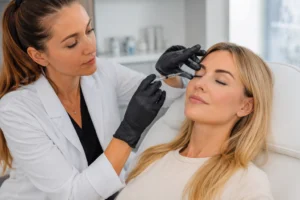
If you’re new to Botox, here’s a step-by-step overview of the process:
- Consultation: You’ll discuss your concerns and goals with your provider, who will recommend a treatment plan.
- Preparation: The area is cleansed, and a topical numbing cream may be applied if needed.
- Injection: The provider uses a fine needle to inject Botox into the targeted muscles. This part typically takes 10–15 minutes.
- Post-Treatment Care: You’ll receive instructions to avoid lying down or strenuous activity for a few hours after your appointment.
Results usually begin to appear within 3–5 days and peak at about two weeks.
FAQ
Is Botox safe?
Yes, Botox has been extensively studied and approved by the FDA for cosmetic use. When performed by a qualified professional, it’s a safe and effective treatment.
How long do the effects last?
Botox results typically last 3–4 months. Regular treatments can prolong the effects over time.
Will I see results immediately?
While you may notice some changes within a few days, full results develop after about two weeks.
Does Botox hurt?
Most people describe Botox injections as a quick, minor pinch. If you’re concerned about discomfort, ask your provider about numbing options.
Can I stop Botox once I start?
Absolutely. Stopping Botox will not worsen your wrinkles—it simply allows your natural aging process to resume.
Conclusion: Is Preventative Botox Right for You?
Deciding when to start Botox is a personal decision that depends on your unique skin, lifestyle, and goals.
At Unity Medical Spa in Meridian, Idaho, our experienced team is here to guide you through every step of your Botox journey.
Contact us today or schedule a consultation and learn how Botox can help you achieve your best skin yet.
Recent Blogs